Signals, not labels
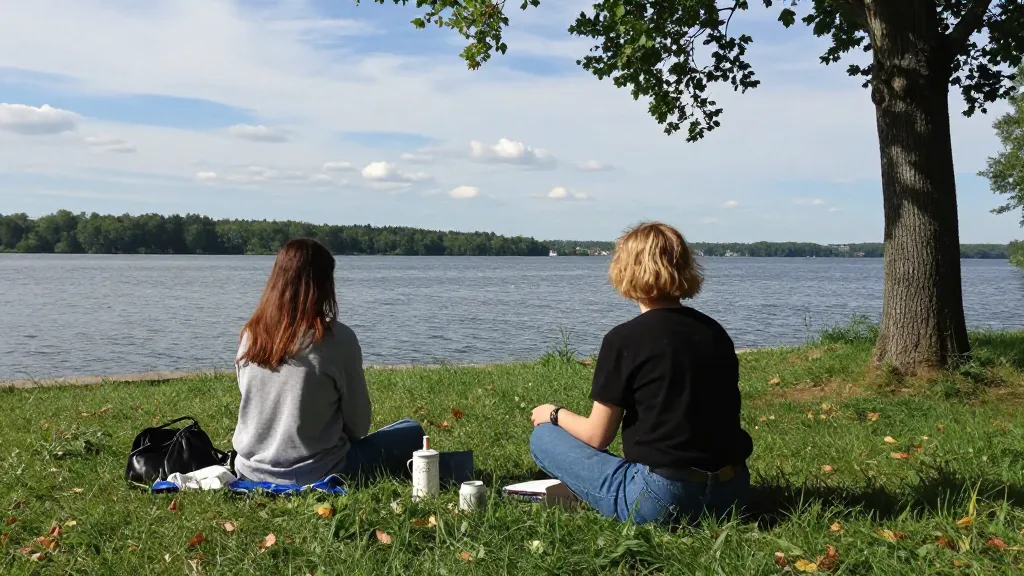
Many people notice tight shoulders, quicker breathing, or a busy mind when deadlines pile up. We treat those as ordinary human experiences to reflect on—not something to self-diagnose or “fix” overnight.




Editorial notes on pace, attention, and balance—written for readers in Ireland and anyone curious. Nothing here replaces advice from a qualified professional.
We publish from County Galway, where winter evenings are short on daylight and summer evenings tempt you to stay outdoors. Whether you commute by train to Dublin, cycle around Galway city, or work from a kitchen table overlooking the Burren, the rhythm of the day still asks for sensible pauses. Irish English is our default: we favour plain wording, we organise ideas in short sections, and we spell it “programme” when we mean a planned series of steps.
This website offers general lifestyle information only. We do not diagnose, treat, cure, or prevent any condition, and we do not promise specific results. If you clicked an advertisement, the landing page you see should match what the ad described—editorial context about everyday tension and habits, not a hidden checkout or a medical claim. For consumer and advertising disclosures in Ireland, read our consumer information page.
We are not affiliated with the HSE or any public body. If you need clinical support, contact your GP or an appropriate registered clinician. Our Privacy Policy explains how we handle form submissions.
Many people notice tight shoulders, quicker breathing, or a busy mind when deadlines pile up. We treat those as ordinary human experiences to reflect on—not something to self-diagnose or “fix” overnight.
Screen glare, school runs, shift work, caring responsibilities, and the hum of motorway traffic all change how full a day feels. A ten-minute reset between tasks can matter as much as any grand plan.
We avoid guaranteed outcomes, fear-based hooks, and comparisons that shame you into action. If you need tailored support, a registered professional is the right next step—not a blog card.
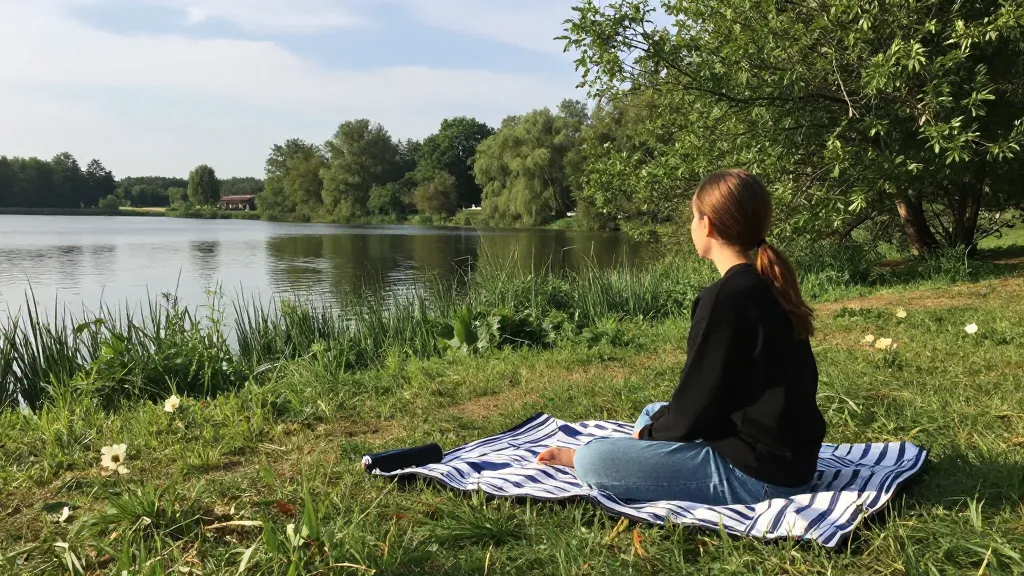
Some households savour a slower first cup of tea before screens take over. Others need an early train. Either way, a clear “start ritual”—light, water, a written trio of priorities—can reduce the sense of being dragged into the day.
Energy often dips after lunch. A walk around the car park, a stretch in the staff room, or one focused sprint followed by a real break can keep attention from fraying before home time.
Lowering lights, switching off work notifications, and putting the laptop out of sight signal that the paid hours are finished—especially when the spare room doubles as an office.
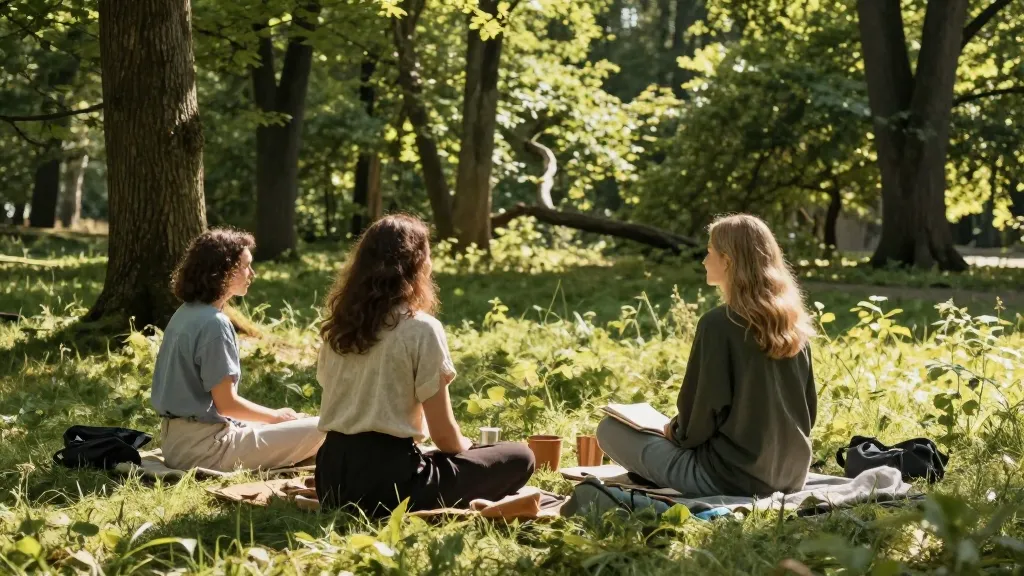
Clear surfaces and grouped objects reduce micro-decisions. Even a short tidy-up before tomorrow’s meeting can make a rented desk feel less crowded.
Rain on a skylight, roadworks outside, or a lively household in the next room all add sensory load. Headphones, a closed door, or gentle background audio you actually enjoy can soften the edges.
Standing, reaching overhead, or walking to fill a water bottle interrupts long sitting spells. Frequency usually beats intensity when you are between meetings.
Coastal wind off Galway Bay or a quick loop through the estate still gives your eyes a new horizon. A few outdoor minutes can refresh attention before the next task block.
Similar wake times, a short wind-down routine, and easing off late caffeine are habits people test in real life. Change one variable at a time and notice what fits your household.
Some readers set a “screens away” time so evenings feel calmer. That is a personal preference, not a universal rule—especially when caring duties or shift patterns differ.
A focused chat with someone you trust after a heavy week can feel grounding. Community groups from GAA clubs to tidy towns often create reliable social rhythm without demanding long evenings online.
Calendar blocks labelled “deep work” or “offline” tell colleagues—and yourself—that delayed replies are intentional, not rude.
One stretch between calls or sixty seconds of quiet breathing is easier to repeat than a dramatic overhaul. Familiarity arrives through repetition, not perfection.
A short look at what felt supportive—or draining—helps you edit the week ahead without harsh judgement.
“I started blocking fifteen minutes after video calls to reset my desk. Nothing dramatic changed, but my afternoons feel less rushed.”
“Walking the same loop after school gives me a clear line between staff-room mode and home mode. It is a simple ritual that works for me.”
“Lowering notification sounds made my studio calmer. I still see messages; they just stop jolting me mid-sketch.”
Use the accordion for quick answers. The tabs below suggest low-pressure ideas—pick one, try it for a few days, and adjust. None of this replaces professional care.
No. We publish general lifestyle context only. For health concerns, speak with a registered clinician or your GP practice in Ireland.
We do not guarantee outcomes. People respond differently to routines, weather, work pressure, and family life. We describe patterns others have found helpful—not certainties.
Point advertisements to this page only if the ad copy matches the editorial, non-clinical nature of the site. Avoid sensational health claims, “miracle” language, or before-and-after imagery. Keep business identity, contact details, and privacy links easy to find, as they are in our header and footer.
Pack a paperback or offline playlist for the leg into town, and use the return journey to jot three wins from the day. Keep a spare layer for Irish weather swings so you are not arriving flustered.
Define a start and end cue—closing a kitchen laptop or a walk around the estate—so work does not bleed into family time. Short outdoor breaks help when natural light is limited.
Anchor sleep with blackout blinds and a consistent wind-down sound or stretch sequence. Batch cooking on a day off can make irregular mealtimes easier.
Use the contact form for general enquiries or the feedback form for suggestions about this site. We are a small team and reply when capacity allows.
Burren Yoga Retreat Centre, Normangrove, Kinvarra, Co. Galway, H91 KN72, Ireland
This website provides general lifestyle information only and does not constitute professional or medical advice.